Colivers Club Ep 31: From Solo World Travel to Building Nomad Communities with Cami from Nomads in Wonderland
What happens when you leave your old life behind and take a leap into the unknown? 🌍
Cami has spent nearly 15 years traveling as a digital nomad. After leaving her job, apartment, relationship, and life in the UK to travel around the world, she discovered something that changed her forever: the first big risk is the hardest—and every risk after that feels a little easier.
Today, Cami channels that experience into Nomads in Wonderland, creating unique experiences that bring remote workers and digital nomads together through coworking, adventures, masterminds, shared meals, and community-led activities.
In this episode, we talk about:
🌎 What long-term nomad life really feels like after the initial excitement fades
🧠 How travel can build confidence, resilience, and the courage to take risks
🤝 Why human connection and bringing people together can become a purpose
🏡 Rethinking the traditional coliving and retreat model
💡 How masterminds can spark businesses, partnerships, and new ideas
✨ Why the best communities are co-created by the people inside them
🌱 Finding more meaning by contributing and giving back to the community
Cami also shares the story behind The Lounge, a community space in Moscow, and what she has learned from creating spaces where friendships, collaborations, and even businesses naturally emerge.
If you could leave your current life behind and take one big leap into the unknown, what would you do? 🌍✨
Read the Interview
César: Why am I traveling around the world? Yeah, it’s.
Cami: Too late and or everyone is doing it. And there are too many already. So why would I do it? Until there was a trigger and some years. It’s okay. Never mind. I’m going to do it anyway.
César: You were the same person that actually made a slave to travel around the whole world for a year or so.
Cami: The biggest thing I learned during that time was that it’s okay to take her and given up my entire life, my good job, my nice apartment. I had a relationship when I left, but, you know. But they heard me as well. Said goodbye to France, and it was like a big, jump into the unknown. So I was just like, I couldn’t do it.
César: Can you tell us about Moments in Wonderland?
Cami: Yes. And the magical the. It’s, my events from.
Unknown: I’m. I’m gonna. I’m coming.
César: Welcome, everybody, to another episode of Oliver’s Club. Here we are today in Botanical garden. I’m in this community in Palermo, Italy. And here I am with Cami. Nice. From What’s in Wonderland?
Cami: That’s right. I know it’s, it’s a.
César: It’s it’s wonderful, but it’s number one. That’s about.
Cami: Exactly that.
César: Oh, nice. How are you today?
Cami: I’m good, I’m good. Had a busy, work week, so, finally relaxing a bit. It’s Friday, Friday afternoon, so.
César: Yeah, it’s, you know, busy week. And the weather is not as nice. It stretches free. We are not for this season because.
Cami: Yeah, that’s it. Because it feels like it’s getting colder every day. I wish you would expect the opposite of. Yeah. Yes.
César: I also feel like as nomads we tend to travel to places where they get they will wear warm. No.
Cami: Yes, exactly. I mean, I think it could be worse. You know, we could. Of course. Yeah, I don’t I was in France where I’m from. Oh, yeah. And it’s like it would be even colder, but Switzerland is, maybe not quite as well.
César: We’ll get there. We’ll get there for sure. Yeah. Nice. I’m going back to your roots. You’re from France. And how long did you start being a digital nomad?
Cami: So that’s a good question, because I actually have lost track a little bit, so I don’t know. I don’t know because I, I should at some point people always ask me this question and I can’t really answer it very precisely. So I should check, but I think it’s been 13 or 14 years. Because I don’t remember which year. I kind of left my my old life to start traveling, but it’s been a long time. I think it’s close to 15 years.
César: 15 years.
Cami: Not quite that.
César: Almost, almost almost. I said to myself. Wow, it must have been a big, big adventure after another one.
Cami: And another one. Yeah.
César: And you have a background in marketing. Is that so?
Cami: Well, yes. That’s what I have specialized in. In the last ten years or so I would say. But actually I studied, literature. Wow. Ten years. It’s in the UK. So I already left France before I became a nomad. I was already kind of, you know, living abroad because I left France to go study in the UK. And then at university, I studied literature, and then I did a master’s in publishing. Yeah. And so I was working, in Oxford, actually in England, for the, the press of the, the university. So the publishing unit of the university.
César: Okay.
Cami: Yeah.
César: That the is quite exciting, actually, right.
Cami: Yeah. But then I guess, you know,
César: Yes.
Cami: I needed a change.
César: So, do you started going or did you start traveling to, like.
Cami: Yeah. So I actually, I didn’t become technically a digital nomad straightaway. First I started traveling, I, I took a year off. So first I tried to get a sabbatical from my job, and they said no, because someone else had just asked, and they said yes to them. And I think they were scared that if they kept saying yes, so they couldn’t afford that. So they said no to me, said me, and then I just quit. And I gave up my apartment, everything. And I decided to go on a round the world trip. Which I don’t know if airlines still do that, but airline reliance is used to have this round the world tickets. You could that. So it’s like a fixed price. And then there are some rules that you can build your itinerary with lots of different flights, for some price. So that’s what I did. And I was just basically, kind of a backpacker, I would say, when I was a bit maybe older or I didn’t the, you know, the very young backpackers. But, I did that just using my savings. And then when I came back from that after, you know, nine, 9 or 10 months of traveling solo like that, I didn’t really know what to do next, but I just knew I didn’t want to go back to my old normal life. I wanted to keep going. So, Yeah, I do you want to hear the rest of it?
César: Yes. Okay. I was about to ask, like, what was the engineering life? Yeah. Or did you just have this in the UK? Right.
Cami: Actually, first I went to Madrid Mutual Business in Asia, the only for rising 2020 for 48 hours because I wanted to start in South America. And it was, the best way was to fly from Madrid to Argentina.
César: So you, Argentina and then all the way back to the.
Cami: So, so I went to Argentina, and then I traveled through South America all the way down to, Ecuador. Also because I, I speak Spanish, actually, or not very well nowadays because I don’t practice very often, but, I speaking Spanish, so I really wanted to go to, Spanish speaking countries first. So then. Yeah, from there I ended up in New Zealand, Australia, and then from there I went to Asia, Southeast Asia, and then from there to Korea, randomly. And I had a cousin who was, studying there. So I met up with her there. And then eventually I landed in China. And so it was my last. It was a good flight.
César: I mean, Finland is in Spanish. Same is the end.
Cami: Yeah, that’s.
César: Just the perfect place to end the one.
Cami: Yeah. But then I arrived in Finland after months of traveling and pretty much like in nice, like one countries. It was, snowing. It was really cold.
César: Quite a.
Cami: Shock. Yeah. And I was supposed to say like 3 or 4 days. And after one day I was like, actually start to go.
César: Yeah, maybe Philadelphia summer is maybe nice. I know, and it’s us that we are used to. Maybe for the weather hardware.
Cami: Yeah, exactly. Yeah. So it wasn’t like so I just kind of cut that last part short and went home. And then so I left from the, from England where I was living at the time. But, I ended up in France because I didn’t really have a life in the UK anymore. So I ended up my parents.
César: Because that was base. It’s like sending their parents, you know, they since we don’t know this and.
Cami: I think they were a bit, you know, worried for me and confused and wondering what I was doing with my life. So, but anyway, as soon as I got there, I told them, don’t worry, I’m going to find a job and I’m going to be, you know, a burden. And so the next there was hired a Pizza Hut, not to mention. So yeah. And then I got promoted to delivering pizzas because in some days I had learned to ride scooters.
César: Right. School is not in the CV. It was like I went around the world still. Yeah. No. Yeah. Oh, well, that’s a good story. And any dreams that were like significant to you? It was they were like, impactful to your life.
Cami: In, during the lunch. I think like all of it, you know, it was just, I think that the biggest thing I learned during that time was that, it’s okay to take risks, and things are not as serious as they seem. And I think also, I realized after you’ve taken the first risk, which is usually the biggest. Yeah.
César: There’s some ways that works. Yeah. They work like the hardest.
Cami: Yeah. And like I’ve given up my, my entire life and, you know, my my good job, my good, my nice apartment. I had kind of, had I had a bit of a, I had a relationship when I left, but, you know, put that behind me as well. Said goodbye to friends. So it was like a big, jump into the unknown. And that was scary. But after that, every. The risk I was taking felt really easy in comparison.
César: Yeah.
Cami: So I was just like, oh, I can do it. It’s like. So.
César: Yeah. And do you think taking this sabbatical year. Well, actually, yes. I know you needed to quickly jump, right? Yeah. Yeah. Yeah. It makes you more resilient. Or maybe it gives you a set of skills that you are identified and you see, you say, oh, yeah, the things I learned during this year, have been so impactful in my life that I would do it again, you know?
Cami: Yeah.
César: I mean, for sure to get you, jumping because experience it this filter was necessary.
Cami: That’s not even such a great job, but, no, I think one thing I remember is that before that, I was actually a bit, shy and introverted. I was lacking a bit of self-confidence. I think also because, you know, when I was 18, I moved to the UK to live there on my own and to study there, and so and, people always, like, kind of make fun of me for my, my accent, like, still having an accent in English. And, it stopped me from being very confident speaking English, and I feel very self-conscious. So I had to internalize all these new, like, complexes. And then when I started traveling, I just completely, forgot about that. And I became much more, extroverted and, self-confident. And also it became easier, to talk to strangers. I became much more social.
César: Oh, yeah, I mean, I still right.
Cami: So. And especially with what I’m doing, that’s just perfect. Yeah.
César: Because, after after doing all of this now, it’s also related to to what you do for living, right? Yeah. Your side projects or projects. Exactly. What can you tell about what can you tell us about Nomads in Wonderland?
Cami: Yes. And the magical dwellings. It’s, like events from. So, we organize events for nomads. And I started it, only just over a year ago. Even though it feels like a lot has happened. So it feels much longer. But I was thinking about it, too, then realizing. Yeah, it’s it’s only been just a bit more than a year. And we’re about to run already. Our six events, in. Yeah. So it’s just a year and a half for justice. So basically what happened is that after a year. So we skipped a few stages of the story, I guess. But eventually I became a digital nomad. I was able to take some work on the road with me, and, then after a few years of traveling, I met my boyfriend, on the road. And we’ve been together now for just over nine years. Wow. Yeah. And then a few years later than that. So first we were together, full time moments. And so then after a few years, we, built a home base in Moscow, which I think. Yes. Yeah. And anyway, eventually, after this 13 or 14 years of, traveling as a nomad, remote worker, I kind of feel like, you know, after a while, it you lose it a bit. A little bit. The excitement of the beginning, and then you start wondering, okay, what what is it for?
César: And why am I traveling around the world? Yeah. And I look for exactly.
Cami: What I need a bit more meaning. And this came out actually in one of the to accept the, the, the fact that we attended a few weeks ago, I think Jenny was talking about the different stages and that at some points you kind of feel the need to, to contribute, to give back, to be useful. And so for me, I took the form of, I, I really I feel like I have a lot of experience now, as a, traveling nomad. I know some of these connections really, really well, and I also, became really good at, don’t like the world networking, but more like, Yeah. Socializing. Definitely connect with people. Exactly. Connect. Building connections for myself, but also between people. And that’s something I, I realize that I enjoy more and more like I love, like matching people for business, for.
César: They have the same feeling. Okay, okay, let’s connect you. Yeah. You two are going to be really good friends. Or exactly. Or not. Maybe you have fun with that, right? Yeah. Like you’re going to be enemies. But yeah.
Cami: No, I think it’s really something that I didn’t used to realize that I had in me. But then it came out more and more. And then.
César: Which I think is very useful skill for connecting people nowadays, even with a. Yeah, the crazy things I would say, the.
Cami: Human, you know.
César: Connection. We need humans.
Cami: Yeah, yeah. So because I have all these reasons, I started thinking about organizing events, followers and yeah. To to share my, my knowledge, my experience and to bring people together. But that happened just before Covid started.
Unknown: César
Cami: So I had to put that on hold. And, you know, the idea to stay in my head stayed in my head, but it wasn’t the right time, of course, to do it during the pandemic. And then when the borders reopen, we all started traveling again. It’s not like suddenly everyone started doing it and everyone started creating retreats. Convenings. And I felt.
César: Like people were.
Cami: Saying, it’s too late and or everyone, is doing it, and, there are too many are ready, so why would I do it? And so for a few years, I didn’t do it, until there was a trigger. And suddenly I thought, okay, never mind, I’m going to do it anyway. And I think it could be something different, and I think I can make it work, and create something good. So, and that’s when I went to nomads and was.
César: Yeah, I also know that you were the same person that actually made the step to travel around the whole world for a year or so.
Cami: Exactly.
César: You can do whatever. Oh.
Cami: I can do.
César: News for again. No, no, I actually left everything I knew and my boss and everything that I took a flight to Madrid.
Cami: At the time, but no, in between, I think we had more than ten years at first. Because you get older, you get a very more fearfulness.
César: But then you realize, no, no, no way I did that. And they are so true. And also I feel like they could be like a million reasons. But if you’re guys are, it is going to be the trade with your own face. Not like the choices that you make to creating retreats are going to be different than somebody else.
Cami: Yeah. And I think, yeah, every retreat is different depending on the host and the format and the way it’s organized and so many and the participants and so many factors that go into it.
César: So yeah, I feel like retreat, leaving for Kings. If you go to the space, you can really feel like the energy of the owner and you can totally be behind on this person. Did this retreat or because I was insane.
Cami: So you put your your personal touch.
César: You know, your personality is is like random noise, like. That’s true. Yeah. This is a signature. Yeah. I’m thinking that there’s a colony called wonder House. It would be amazing if you made a collaboration because no wonder nothing won their house.
Cami: That’s true. But they actually reached out to us. Really. But I think there was any new rights.
César: I win there is amazing. Yeah. But now you can
Cami: You know so I would.
César: Say last year summer I think.
Cami: Okay. Yeah more than a year.
César: So it’s quite but I mean to the space it’s ridiculous. It’s cool. I actually interviewed them for the podcast and the next episode.
Cami: So they were able to say, well, check it out now. Yeah. They reached out to us about organizing an event there. So yeah, that’s a possibility. Maybe. Maybe one day.
César: We make it work. Excuse me. So the way you host the retreats is you go to meetings and closer to other kind of spaces. What is your addresses?
Cami: Yeah. So actually, sometimes it’s there is a closing, illness. So sometimes we do public events. Most of the time, though, we don’t have, we are not a colony. So actually retreats is almost not the right way either to describe what we do. The funny thing is, I haven’t really found like, the right perfect word to describe it.
César: Sometimes there’s not that you need to really come up with one. Yeah.
Cami: So we use vacation loosely. And then sometimes I like to call it, an experience, but that sounds a little bit like pretentious. So, but I think maybe you haven’t been to the Nomad base before.
César: The event. Yes. I was.
Cami: I think maybe this is the closest thing to describe. It’s, Except it’s longer usually. So. Okay, so actually, it’s evolved over time. That’s why it’s hard to to describe, like, the process, but, first, the first event was a co-living startup in, in Cambodia.
César: Wow. Okay. I went very far.
Cami: Yeah, but this actually, because I had been to separate, I had really enjoyed it, and I thought, okay, it’s, you know, a lot of nomads go to, Southeast Asia because in the winter, autumn, winter. And usually they go to the same places that Shanghai.
César: Generates, called.
Cami: On time to also love that you. I love those places. But then people go to Vietnam a lot now. But I said okay. And then there is like separate, which is a really cool city with Uncle words, which is an amazing monument. Right, right. But right next door. But the problem is it doesn’t have a lot of infrastructure and it doesn’t have a community for nomads, you know, so you can go there just for a few days to to just to say uncle was. But it’s not really going to be a nomad destination. And I wanted to change that a bit and take people a little bit of the normal beaten path. So again, here I took a big risk because the way I did it.
César: Okay.
Cami: For the first event, since then it’s not legal at all. Yeah, okay. Yeah. But I just went on Airbnb and I found the book okay. And I routed.
César: And without having the pattern in the cloud. No no, no. Oh, so you didn’t even visit the place? No.
Cami: Well, I mean, I knew the destination. Okay, but I haven’t been to the villa. Everything could have gone wrong there could have been no internet or it doesn’t work.
César: Or all the internet. Of course we need internet.
Cami: Yeah. So many things, you know, like the photos could be,
César: So you go.
Cami: Like. Yeah. So big gamble. I freaked out so much while planning that design. That’s, What if everything goes wrong? And then it happened. I managed to feel it. Which I think it’s, nice for the first few months.
César: Because it gives you so big. Yeah. Losing confidence.
Cami: Yeah. And then we had an amazing where people were really exactly like the right people, and it went very well. And it was a very successful at the same time, I had already started planning the next two months, which was very different. And because I wanted to experiment with different formats, different durations, different, types of events. So I had spoken to my friend Alex, who runs a co-working space in Antalya, and, we had agreed to do an event together, but it was going to be very different. It was going to be a one month work session without, including accommodation. So we bring a group, a community to a destination and our hub, instead of being the accommodation. It’s the co-working space which also we use as an event space.
César: So we can focus more on the event, on the space. But actually, rather than finding a hotel for.
Cami: Night, exactly. Yeah. Because in some of the solutions, it’s not so easy.
César: To find a villa. No, we don’t think the problem with this house. How big are the images?
Cami: So actually the one in Antalya I’ve ended up with almost 40 people. 40 people was 38, I think in total, 79. And that’s the thing you know, if it would be really hard to find a living for 40 people. So we left the participants free to find their own accommodation so they could use the, you know, the usual booking platforms or what we did, though, is that we had some local partners, several of them. So we were able to offer some options to, to our participants.
César: Yeah. And then you get a discount or we get to go.
Cami: To generates like more.
César: Local prices. So good for the lockers is good things. So this is also a client for the retreat. You get to choose. Exactly. Maybe I prefer having the apartment or not. Or maybe.
Cami: Exactly. Yeah. That’s what I found, you know, and some people really liked co-living. And there’s people who are like, actually fans of commuting. I used to love it. Yeah. And I really enjoyed myself. But I know I have some friends who never go to the community, you know. Yeah.
César: I’ll say ten years now because I don’t know if I will be living in co-living, even though I would love to have collisions with my mother. I don’t know if I spent a whole year, in a convening or like, or going from living to live in, you know, it’s also a little bit draining, right? I don’t know, was your experience total living to the actual before? Yeah, yeah. To a few. Yeah. How long was your stay? More or less. It’s fine.
Cami: It depends up to a month to month. You haven’t really done longer than that. Yeah. But yeah, I also you’re in a couple as well, so,
César: Yeah.
Cami: It’s a bit different. But we are definitely a couple. Some couples actually, they would never do in their private space with my boyfriend. We’re very happy to to be social, to have people around us. So we enjoy co-living. But I agree. Yeah. We didn’t do it year round. You know, I also sometimes we need hospitals.
César: Yeah. Yeah. That’s why if I’m in a ways that is not your parents can’t do that doesn’t count. And it’s nice because you have to choose, okay. Have some time to travel. Something to establish massive rules. Kind of rules. Because I feel like a lot of us are afraid of, maybe sitting down the side roads. It’s also okay. Yeah. Yeah. Nice. Then the. So the retreats, you visit the retreats that you organize.
Cami: So, yeah, there’s one that is starting in one week.
César: And one week.
Cami: Okay, so we’re in the last planning stages. It will be the six events.
César: Yeah. And and what is what I do retreats different from others.
Cami: Well, that’s one thing that we just discussed. I think our format is quite different because, I don’t know so many. Well, there was some retreat data once, but usually it’s coming in. And the way we do it by bringing, a group of amazing people to one place and spending your hormones there, without necessarily living together. I think that’s, that’s, quite unique. There are a few others that do it, but a bit differently from us as well, because, what I heard some from, you know, talking to some of our participants who I’ve also tried other, other organizers, you know, other retreats. They told me that some of them, they, they bring you to the destination and they give you their own. So the accommodation is included most of the time, but then the activities on site are not, usually not included in the price of most of the activities. And also, they’re not really necessarily organized for them. So it’s more like you have access to the community and you decide to do something together, but then you have to.
César: Go and organize, but then that adds friction on it. For us. If there’s friction, nothing’s going to happen. Most likely.
Cami: Yeah. And I think it takes time and everything. So what we provide without being you know, we don’t want to be like a very square have a program that’s completely inflexible. And we’re forcing but never forcing anyone to join anything. That’s a very important principle for us, is that we have a culture around that we include in the offer. You know, when you sign up to for this experience, it’s included in the experience. So it’s part of the cost.
César: So, for example, what is included in the core offer?
Cami: Yeah. So there is always a membership of a co-working space.
César: Okay. So you have.
Cami: That is our home. Yeah. And then usually there are some meals included because what we like to do is, we always have a welcome. Sometimes it’s a dinner, sometimes it’s a branch. So it depends on the.
César: Food always brings people together. Yeah. It’s always a must.
Cami: Yeah. And then, we include some weekend trips.
César: Which Stuart actually visits there. Right. Yeah. So you get to do some sightseeing.
Cami: Yes. So usually every, every weekend we have at least one big trip. Usually we like to do, you know, at the weekend, one day we do something a bit more adventurous, exciting or, you know, more tiring.
César: And then relaxing.
Cami: And the next day, let’s go to the beach area just for the kids. So, yeah. So, for example, to give you an example, in the upcoming retreats in Antalya, we have, a big boat trip planned, where we’re going to snorkel over a sunken city and then, you know, sunken city. Yes.
César: Yeah. Wow. Because now I’m into scuba diving because, last, Really? Oh, cool. And yeah, last winter we went to Thailand. Yeah. The first time in southeast in Asia, in Southeast Asia. And we went to the small islands and we took the scuba diving course. Yeah, that’s sometimes refreshing because of the water and because of everything else. Experience. Yeah. The first time I had the regulator. Regulator is I forgot.
Cami: I just remembered.
César: When you put the regulator and you breathe underwater directly. Yeah, that’s think that is very much you discover a whole new world, right? You just like, oh, you feel like an alien, right? Because the underwater world is so different, so colorful, so lively. There’s so much things going on. So, yeah, I would check out the. Yeah. What is it? Okay.
Cami: This is Coca Cola. Oh, okay. So it’s about an hour or two from Antalya. So we will provide the whole trunks for the whole cost of the excursion. So everything is going to be arranged fast. So that was only one example though. We are planning some, really beautiful hikes because, in Australia there’s, well, on the whole, Mediterranean coast of Turkey, there is a famous trail hiking trail called the Lycian Way, and we are going to do sections of it as hikes. And what else have we planned? Oh yeah, we have an overnight camping trip, actually. Wow. Okay. Where we’re going, have, barbecue there and bonfire. And the next day we can do lots of activities like quad biking and,
César: Planning. Quite adventurous.
Cami: Adventurous. And then we like to inject a little bit of adrenaline and adventure for those who want, you know, everyone who has to do it has.
César: Yeah, it’s just a brochure. It’s also sometimes nice to go see if everyone is doing it. You want to do it now, so you will text. You will experience something that most likely is you were able to just do it by yourself. You will not do it.
Cami: That’s right.
César: So something something pretty sure in this kind of thing.
Cami: So I could ask them for lunch. Yeah. And then that’s kind of like also one thing that I like about our events is that this happens a lot. Sneakers. Also, one cool thing that maybe makes us different is that we really co-create the experience a lot. So we have participants who create their own events within the event, right? Can suggest activities, and they can even take the lead to organize them. And this is cool because it means, depending on who joins, we might do a very unexpected activity that I would not have thought of offering, for example. Or, you know, we have workshops that I know nothing about this topic, but we have an expert in our group, and then we learn new things. We are exposed to new new experiences, new ideas.
César: I love kid shares. Right? So when you are in a group and suddenly somebody is an expert in something that you actually need for your business, or yes, or for interest in them, yeah. Facilitating those spaces so these things happen is, is quite important. Yeah. Yeah. So it’s definitely for other speakers. I get always so much value out of it. Yeah. And it also makes people like, empowered. Not like feeling like, oh, I can actually create, these excuses, these workshops. I feel like I’m part of something bigger than myself. So it’s really giving people these, these leeway.
Cami: It’s it’s we also have, like, participants, like you said, who did a presentation on our, skill show workshop at one of our events. And then they ended up realizing they really enjoy it, and now they’re doing more speaking. They started.
César: Seeing the whole experience.
Cami: And how they’re doing. So you know, it’s not that fast. Or in co-working spaces when they travel, they they do more of that.
César: And you actually have to do some little bit of public speaking recently because, yeah. Yeah. Like this. Because, if something like two weeks ago, here we are in, they’re going in Sicily to participate in Mint Fest. And there was a gala at night, looks on the award ceremony. Something happened. Right?
Cami: Something handsome, something nice. Yes. Yeah. We won an award, for the best emerging nomad retreats.
César: Publications.
Cami: Thank you. Yeah, that was really exciting. I mean, you know, I was joking that, it was my Oscar moment.
César: I have called.
Cami: So I would like to get some moment of fame. No, I mean, of course it’s, it’s not going to change my life or anything, but it’s, very nice to have their recognition of them then in my community. And I think what’s was really exciting or just what’s the word like rewarding, is that it was really just based on people’s words. So it means that most people voted. And I think that really shows the power and the strength of our community. The, because I would say, you know, beyond isolating them, individual events that we organize, we have, the WhatsApp community that we invite after the event and we invite participants into the community. And it’s really funny to see that, like even people who have not met each other yet because they haven’t been to the same event necessarily, but they’ve both been to an event that we organized. They they click and sometimes they meet around the world on their travels, even though they haven’t met in person yet.
César: So how do you manage such a big group or is known as like people exposed or, not.
Cami: Honest, it’s quite organic, but it’s not like super unmoderated. Sometimes we make announcements, we kind of start a thread, but it’s really more like a friends group, where we post updates I give each other. So about seconds coming.
César: To the end that nobody see me is based on for my you first system for. Yeah. No, no, that’s for sure.
Cami: But also. Yeah. So one of the things that happens a lot in this group is that people post photos of reuniting with other wounded runners, as we call them.
César: The same thing. Yeah. Kids.
Cami: But yeah, sometimes I’m surprised. I’m like, oh, this person met this person I didn’t even know. They knew that they were both part of the community and somehow they found each other. Yeah.
César: And then for you, apart from the rewards, the work that you got. Yeah. What is, the digital distribution, right. We talk about it as you like. Connecting people? Yes. Yeah. That’s for you is very rewarding. No. Yeah. And any other reason why you wanted to start spreadsheets or living in this kind of situation?
Cami: What’s my, like, secret? When you bring like minded people together, sometimes that’s, you know, they found each other and then they did like each other. So, yeah, we have several, relationships that, started during our labs, and I was still working out. And that’s I think the biggest reward for me, I mean, friendships as well, of course, business people finding business partners, which has also happened. Also, we’ve had people who started a business because they got an idea. We do masterminds, every week and especially at the beginning of the events, because it’s kind of a good way of so to sometimes to set intentions for themselves and to kind of spark, ideas at the beginning of the event that then people can take the months to explore. So from those masterminds, surprisingly, we’ve had, I think, I mean, I don’t even know how many, but like I say, I know of like 3 or 4 kind of businesses or same projects, you know, that have started from the.
César: Yeah, I also get the masterminds because I see sometimes now in the economic community, how do you handle, or how do you envision masterminds or can you spend a little bit. Yeah.
Cami: So the way we do it is, basically we have a group. So usually we don’t have too many people, but then we make small set groups, so that it’s manageable. And then we’re taken in turns where each person presents a problem. So it’s not a mastermind in the sense that, I know sometimes some people do decide to do, over the long term, kind of have a group where the meets each week, the same people, and they always bring up updates on the same, you know, project that they they’re working on for something. For us, it’s more, you come with, a problem or a challenge that you want to present and in that session, everyone gets a time and gets feedback. So we present that program with the challenge, and then they get feedback from everyone else. And then we move on.
César: So this is very practical, very new that like 5 or 6 different points of view. Yes. Yes.
Cami: And that’s the cool thing that’s sometimes I’m actually really amazed or surprised at some of the ideas that others come up with or, you know, people come at it with very interesting perspective.
César: Yeah. I think nowadays it’s also very valuable, right. Because, knowledge is all around us. And now with AI is there. Right. Supposedly you can ask anything to it. Yeah, but how can you really validate that knowledge? You need to go to the sources and a lot of that. So knowing where to get knowledge is very important. And yeah. So mastermind you get access to many like minded individuals that are interested in the same thing that you are. And they can provide that knowledge or maybe even know someone that can. Yeah.
Cami: Exactly. They can also recommend that happens a lot to someone. They say, oh, I have a friend. Opportunities for them.
César: There’s an expert. Exactly. You know, expert in marketing for capybaras, I know that, I know I’m awesome. You know.
Cami: And actually one thing that, I just thought of that the one reason also that those most of us can be quite, creative and quite, insightful is that we, we actually our community is very varied. So we just want people to share the same kind of mindset attitude, the same values. But, aside from. No, we are not. For example, some people ask me is an age range or an engineer with don’t presentation. And it’s so in our events we’ve had people I would say, I think ranging from, the youngest was 23.
César: Okay.
Cami: To 65.
César: But above 18 or. Yeah, or maybe the Koreans interested in a number of retreats for families as well.
Cami: Okay. That’s amazing.
César: That’s something. Okay.
Cami: So sadly, yeah, I mean, that would be interesting in the future because I’ve seen there’s a really growing trend. Yes. But, you know, we are very inclusive in terms of, Ray age and, in general, like Asian and background and, and we really like to see, like having more diversity makes the experience, richer and more, more interesting.
César: Yeah. And I think, in the end, it’s a lot of diversity. Yeah. Having people from different backgrounds with different experiences on different countries, different religions. Yeah. I think that’s what makes us human, because after all, we are human. Yes. That’s what makes a square. Wow. Yeah. Anything else to add to these episodes or any other side projects that are present that you want to mention?
Unknown: César
Cami: I mean, no, I guess, what they can. So she was also by the whole, like, passion side project. Yeah. But that’s more, you know, my friends will be happy that I mentioned it.
César: Please.
Cami: But, never in school. Somehow I got sucked into, taking over, the space. So what brought me to Moscow a few years ago was, Coworking Moscow initially, which was the first co-working there. And then, it got sold and it kind of disappeared, at least in the form that we knew it in, and the locations of the co-working got closed one by one. And then a group of us who are missing it and missing that really that space where we had our little family home was we decided to reopen it. They were just, doing it as a co-op nonprofit. And it’s not really we don’t call into co-working space. It’s more like a social club, to hang out in. That’s called the.
César: Lounge. That’s the real name. Yeah, right. The lounge.
Cami: That’s not supposed to be cool, but it’s even.
César: More,
Cami: Appropriate now, I think, because it’s almost like an extension of our home. We go there to, like, socialize and relax and do things like events together.
César: Yeah, that’s lovely. Wow. Okay. Thank you so much for doing this. All about your project. It’s nice in Wonderland. The lounge. And you’re all around the world. Trip. To me, that’s inspiring. Yeah, I think that’s it for me. And this has been another episode of Universe Club. Thank you, Macmillan, for sponsoring this episode. Thank you also to the community for providing the space that we are shooting now. Cool place, very cool place. I love this. Finally, I have, thank you. Coming for for your time. Yeah, yeah. See you next time. Bye bye.
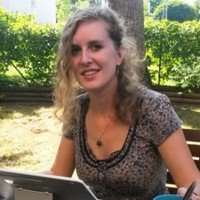
Learn More About Cami
0 Comments